


Bathroom Cladding
Although relatively new to the UK market, bathroom cladding, a form of waterproof wall panelling, has been used on the continent for over 25 years.

Bathroom cladding is an ideal alternative to ceramic tiles as it is waterproof and so can be used in showers, wet rooms and around baths.
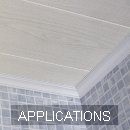

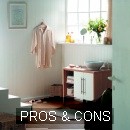
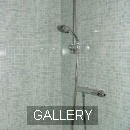
Most cladding utilises a tongue and groove system so that each panel slots into the next eliminating the need for grout. This makes them ideal for those who are looking for a maintenance free wall covering as grout can turn mouldy, especially in areas with high humidity. The face of the panel has a vinyl or printed layer, which comes in several different effects:
There are two main types of bathroom cladding : PVC cladding and laminate based panels.
The laminate based systems usually consist of a marine plywood core, with a coloured laminate front face and a plain laminate rear face. The finishes available are similar to the uPVC systems. There is also some systems where the laminate is bonded directly onto a foam backing making the panels considerably lighter than equivalent sized wooden panels
Both forms of cladding are ideal for use in bathrooms and showers. The uPVC panels are cheaper, easier to fit and offer slightly better insulation properties than the plywood based systems but they are less robust (the plywood based panels are ideally suited to commercial applications).